


8 Digital Marketing Trends That Will Define 2026
Every year, there’s no shortage of bold predictions about where marketing is headed next. New platforms. New tools. New acronyms to memorize.
But 2026 feels a little different.
Many of the shifts marketers have been debating for years are now fully underway. Search behavior is changing in real time. Organic reach continues to shrink. AI is speeding up execution while also flooding the internet with sameness. Performance pressure isn’t easing up.
We’ve been in the game long enough to separate passing trends from lasting, industry-wide shifts. The playbook is being rewritten, and the brands that recognize it early will have the advantage.
Here are the eight digital marketing trends we believe will define 2026, and how to adapt now instead of reacting later.
1. SEO → AEO
Optimizing for AI-generated answers, not just traditional rankings.
AI-generated answers are reshaping traditional search traffic.
With tools like Google’s AI Overviews, ChatGPT, and Perplexity, users are increasingly getting answers without ever clicking a link. Recent data shows that zero-click searches now account for roughly 60% of all Google searches, meaning the majority of queries end without a user ever visiting a site. Brands that built their acquisition engines entirely on blog traffic are already feeling the impact.
The old playbook looked like: Rank → Drive traffic → Convert.
Now it looks more like: Be cited → Influence the answer → Capture intent elsewhere.
SEO isn’t dead. It’s evolving into something more nuanced: Answer Engine Optimization (AEO). AEO focuses on positioning your brand as a credible source within AI-generated responses. It’s about structuring content so it can be summarized and trusted by these systems while still delivering genuine value to your audience.
In 2026, visibility won’t just come from ranking #1. It will come from:
- Publishing genuinely helpful, experience-based content
- Building brand authority beyond your website
- Creating bottom-of-funnel pages that convert high-intent users
- Diversifying traffic sources beyond Google
We’re already helping clients shift away from chasing traffic volume and toward reaching buyers who are actively evaluating their options. Winning brands create content that actually moves the needle and helps buyers make confident decisions.
2. Intent Over Traffic
Less focus on traffic volume, more focus on decision-stage buyers.
Organic traffic is harder to earn and harder to rely on.
Instead of asking, “How do we get more visitors?” a better question is, “How do we attract the right ones?”
We’re seeing a steady shift toward bottom-of-funnel, intent-driven content, including:
- Comparison pages (“X vs. Y”)
- “Best [solution] for [industry]” guides
- Pricing pages with clear breakdowns
- Industry-specific case studies
- Detailed service or product landing pages
- Objection-handling content (“Is this worth it for small teams?”)
- Implementation or onboarding guides
- Demo or consultation pages tailored to specific audiences
This reflects how people actually buy. Early searches tend to be broad and exploratory. As someone moves closer to a decision, their searches become more specific, more comparative, and more action-oriented.
That means your optimization strategy should shift from traffic volume to intent alignment. In our experience, fewer visitors with higher intent almost always outperform broad top-of-funnel traffic when paired with smart retargeting and strong creative.
3. Own Your Audience
Owned audiences and zero-party data matter more as privacy tightens.
Relying entirely on third-party platforms for distribution is becoming riskier.
Organic reach on social platforms has declined significantly over the years, especially for business content. On Facebook, organic posts often reach only 1–2% of a Page’s followers without paid support. On Instagram, typical feed posts reach a small portion of followers, even as Reels provide occasional lift. For most brands, paid media is now necessary to maintain consistent visibility.
At the same time, third-party cookies are being phased out and privacy regulations continue tightening across the U.S. and Europe. Targeting and attribution increasingly depend on the data brands collect and manage themselves.
First-party data is more than a compliance requirement. It’s a strategic asset.
Owning your audience means building direct, permission-based relationships and putting the right systems in place to support them. That includes:
- Prioritizing email list growth
- Collecting zero-party data like preferences and survey responses
- Strengthening CRM segmentation
- Building retargeting campaigns powered by your own data
With global ad spend projected to surpass $1 trillion this year, competition for attention is only increasing. If you can control your audience relationships, you’ll see greater stability and flexibility.
4. Strategy Wins
Execution is faster, but clear positioning and judgment matter more.
AI is compressing production timelines across marketing teams. Content creation, ad variations, landing pages, and performance reports can now be generated in hours instead of weeks. That efficiency changes how teams operate.
The reality, though, is that access to these tools is widespread. When everyone can produce more content, faster, the advantage shifts from speed to clarity. Strategy, positioning, and taste become the differentiators.
Many marketers are already concerned that AI-generated creative risks making brands look and sound the same, and a large majority report seeing outputs that resemble competitor content. The issue isn’t the technology itself. It’s what happens when it’s used without clear direction.
The teams that see the greatest gains from AI are the ones with deep expertise. They understand the nuances of their industry and use AI to accelerate execution, not to replace judgment.
“AI can generate a hundred ideas in minutes. But if you don’t have a clear point of view going in, you just end up producing more average work faster. The real advantage is when you pair those tools with strong creative direction and a deep understanding of your audience.” – Brendan McMahon, Co-Founder

5. Humans Over Hype
Founder voices, employees, and real expertise build trust.
“AI slop” entered mainstream vocabulary this year, highlighting the growing volume of low-quality, mass-produced content filling social feeds. The concern isn’t simply that AI is being used. It’s that much of the output feels repetitive and disconnected from real experience.
Platforms rank content largely on engagement signals like watch time, comments, and shares. Content designed purely to capture attention can perform well within those systems. At the same time, audiences are becoming more discerning about what feels credible.
As production becomes easier, trust becomes more valuable.
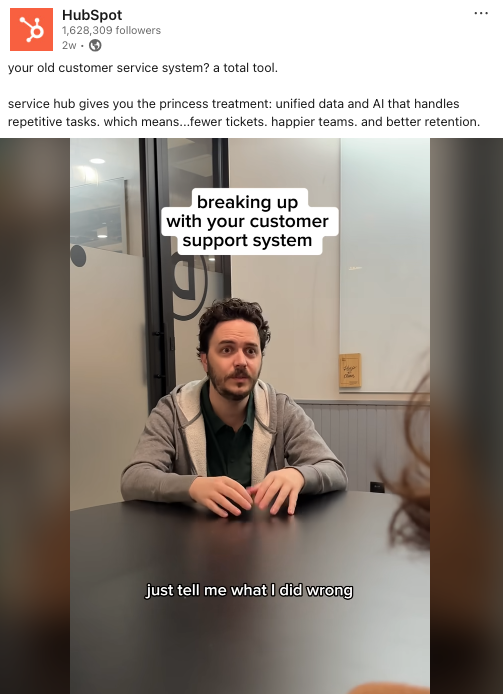
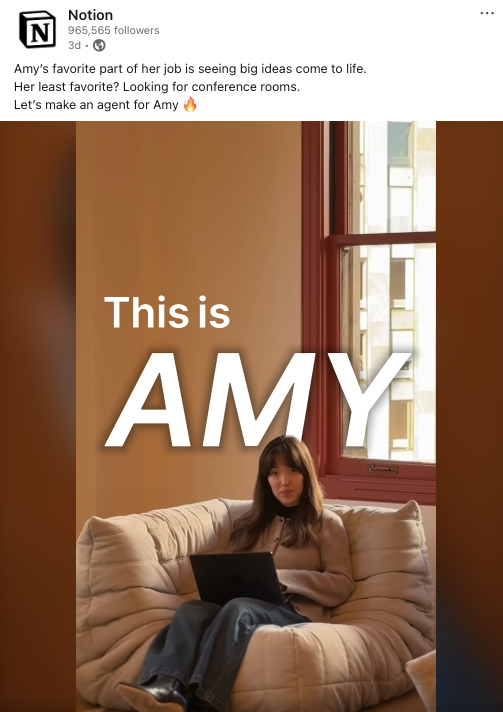
Founder-led marketing, employee-generated content, customer stories, and behind-the-scenes transparency help reinforce authenticity. Search engines are reinforcing this direction as well, emphasizing people-first content designed to help users rather than manipulate rankings.
 .
.  .
. 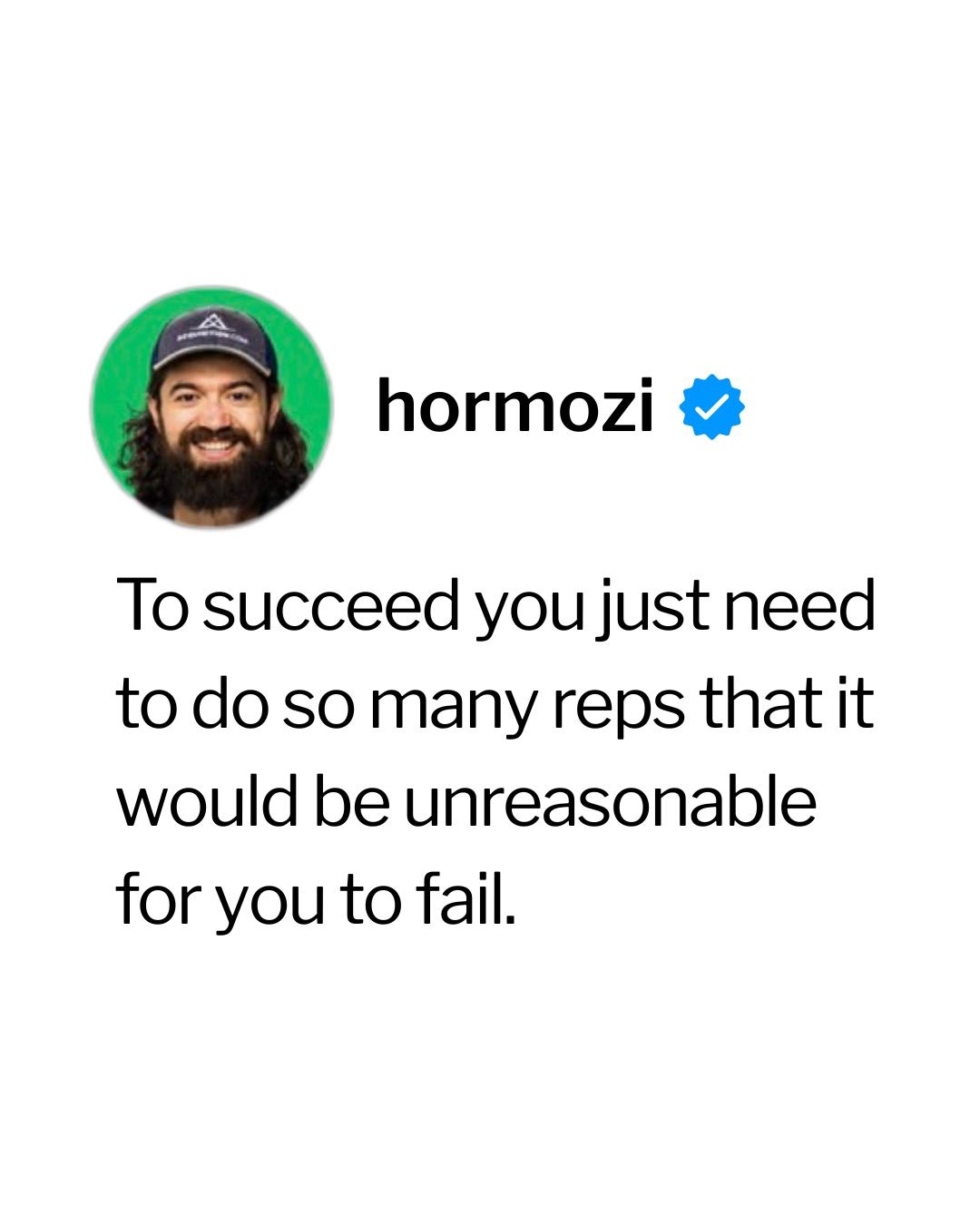
Brands that visibly demonstrate real expertise and human presence stand out in a crowded feed. In our work, we consistently see stronger performance when brands lean into real conversations, practical education, and subject-matter authority.
6. Creative Drives Performance
Creative testing and iteration are central to growth.
The line between creative development and media buying continues to narrow. Not long ago, creative was produced and then handed off for distribution. Today, performance data shapes creative decisions in near real time. Hooks, messaging angles, visuals, and offers evolve based on how audiences respond.
Effective performance marketing now depends on structured testing, faster feedback loops, and tight alignment between strategy and execution.
Instead of one-off campaigns, brands are building repeatable systems for creative iteration, including:
- Testing new hooks and messaging on a regular cadence
- Developing modular assets that can be refreshed efficiently
- Reviewing performance data weekly to guide adjustments
- Aligning creative decisions directly with campaign objectives
Targeting still matters, but creative adaptability now carries equal weight. When media buyers and creative strategists work from the same insights, performance improves and learning compounds over time.
We saw this shift accelerate with Meta’s Andromeda update, which strengthened the link between creative signals and campaign performance. Creative quality and engagement now directly influence how platforms distribute and scale ads.
7. Short-Form Still Leads
The format wins, even as platforms evolve.
Short-form video continues to hold attention in a way few other formats can. It plays a central role in how people discover brands and evaluate products.
What’s changing is where budgets are flowing. Regulatory uncertainty around TikTok in certain markets has pushed brands to diversify. Instagram Reels and YouTube Shorts are capturing more investment, and platforms are steadily integrating smoother shopping experiences into short-form environments.
Don’t tie your strategy to a single platform, but create content designed to move with your audience. That means:
- Developing concepts that can be repurposed across platforms
- Producing modular video assets that are easy to refresh
- Maintaining a clear, recognizable brand voice
- Opening with strong hooks in the first one to two seconds to stop the scroll
- Operating with shorter production and testing cycles
When distribution shifts, teams that plan this way can adjust budgets and creative without losing momentum.
8. Focus Beats Fragmentation
Commit to a few core channels instead of chasing everything.
Digital marketing feels more fragmented than ever. Search behavior keeps evolving. Social feeds are crowded. Retail media is expanding. Community-driven platforms are gaining traction. New AI-powered discovery tools seem to launch constantly.
There are more places to show up than ever before. What hasn’t increased is time, budget, or attention.
There isn’t one dominant growth channel anymore, and trying to maintain a presence everywhere can stretch teams thin. Make deliberate choices about where you focus, align messaging across those channels, and give your strategy time to work.
In practice, that usually means:
- Choosing two or three core channels
- Keeping positioning and messaging consistent
- Investing long enough to gather meaningful performance data
- Saying no to distractions that don’t align with strategy
More options create more noise. Clear priorities create momentum.
“Your business isn’t struggling because there aren’t enough opportunities. You’re just trying to pursue too many at once. The companies that grow consistently are the ones that pick a direction, build the right systems around it, and give it enough time to work.” – Matt Davidson, Co-Founder

Adapting With Intention
The fundamentals still matter: clear positioning, strong creative, thoughtful media buying, and consistent execution. What’s changing is how closely those pieces need to work together.
Periods of rapid change can feel overwhelming. But they also create opportunity for brands willing to adapt with intention rather than react out of urgency.
You don’t need to be everywhere. You don’t need to chase every update. And you don’t need to reinvent your strategy overnight. What matters is understanding where the real shifts are happening and making steady, informed adjustments.
If any of this feels like a lot, that’s understandable. The landscape is moving quickly.
That’s why we’re here.
We help brands cut through the noise, focus on what drives measurable performance, and build strategies that hold up over time. If you’re planning for 2026 and want clarity on where to focus next, we’d be happy to talk.