


Why Creator Content Should Be Part of Your Marketing Strategy
There’s a reason why the most-shared ads on your feed don’t look like ads at all. No perfectly lit studio shots, scripted voiceovers, or brand spokesperson reading from a teleprompter. They look like someone talking to a friend. Real, unscripted, and a little unpolished. This is creator content, and it’s one of the most effective marketing tools available today.
If you’re a small business trying to build trust, stretch your content budget, and connect with potential customers, creator content deserves your attention. Here’s what it is, why it works, and how to do it right.
What Is Creator Content?
Creator content is video, photo, or written content produced by vetted creators, whether paid or gifted your product, specifically for your brand to use. They’re working from a brief, thinking about hooks and calls to action, and delivering content designed to perform. It might be shot on a phone and feel casual, but it’s intentional content built for a marketing purpose.
This is different from traditional influencer marketing. The goal isn’t reach, but content production. You get raw assets you own, built to perform in a paid ad environment and repurposable across channels.
Creator content is different from organic user-generated content (UGC), which is content your customers create on their own without any direction from you such as a tagged photo, an unprompted review, or an unboxing video they posted for fun. Both feel authentic to audiences, but they’re built differently and used best in different ways.
Types of Creator Content
Creator content shows up in more formats than most brands realize. Video testimonials are probably what comes to mind first, where a creator speaks directly to camera about their experience with a product. But the format goes well beyond that.
Product demos and how-to content let creators show your product in action, which is particularly effective for anything that benefits from a visual explanation. Lifestyle content places your product in a real-world context—someone using it on a hike, in their morning routine, at work —making it easy for potential buyers to picture themselves doing the same. Unboxing videos, before-and-after content, and hook-driven short-form videos are all formats that perform well in paid ad environments.
Employee-generated content (EGC) is an underutilized format worth paying attention to as well. When your team shows up in your content, it makes your brand feel human in a way no high-end production can replicate, and it reduces your dependence on outside creators entirely.
Why It Works
If you’re still on the fence, the numbers are hard to argue with. 85% of consumers find creator and user-generated content more influential than brand-created photos or videos. Creator content ads have click-through rates up to five times higher than traditional ads, which translates directly to lower cost-per-click and better return on your media spend.
We’ve worked with many brands seeking creator content, and it consistently proves to be powerful. Having real people share authentic experiences builds trust and connection in a way traditional content can’t. Creators also bring their own perspective, often showcasing the brand in fresh, unexpected ways. It’s a great way to generate diverse, relatable content that truly resonates with audiences. — Addison Willey, Digital Marketing Manager
Why does it work so well? Because people buy from people. When a potential customer sees someone who looks and sounds like them using a product and talking about it naturally, the barrier to trust drops significantly. That’s something a brand video can rarely achieve.
Creator content also works at every stage of the funnel. Top-of-funnel content introduces your brand through a relatable voice without feeling like an ad. Mid-funnel testimonials and demos address specific objections. Bottom-of-funnel content gives buyers the final nudge of social proof they need to convert. A well-built creator content strategy doesn’t just fill your creative library, but supports the entire purchase journey.
Best Practices
Getting the best results from creator content comes down to a few key principles:
Use creative briefs when working with creators. A brief gives creators the context they need to produce something that works for your brand: the product, the key talking points, the hook direction, the required visuals, and the deliverable format. The brief keeps content on-brand while leaving room for the creator’s natural voice, which is exactly what makes this type of content work in the first place.
Treat creator relationships with respect. Respond to applications promptly, pay on time, and give clear feedback. Creators who have a good experience working with your brand will produce better content, be more willing to revise, and often become genuine advocates for your product.
Be consistent about repurposing. Creator content has a shelf life, and rotating keeps your ads fresh. Try different hooks, different creators, different formats, and let performance data tell you what to lean into. The lower production cost of creator content means there’s no good reason to run the same asset for six months.
AI tools can support your workflow, but they shouldn’t replace it. AI can help with scripting hook options for a brief, editing captions, or analyzing performance patterns. Where it falls short is the authenticity piece, which is what makes creator content work in the first place. Keep humans at the center of your content strategy.
One thing I’ve learned working with creators is that the best content doesn’t have to be perfectly polished. Sometimes the most relatable, authentic creators are the ones who pull people in and perform the best. Authenticity almost always wins over perfection. — Meredith Ondo, Digital Marketing Associate
Our Process
We manage the full creator content process for our clients, from campaign strategy and creative brief development to creator sourcing, communication, revisions, and final asset delivery. Brands receive fully owned raw video assets they can run across any channel.
The brief is where most of the strategic work happens. We define the product, the required deliverables, the talking points and messaging hierarchy, the required visuals, and multiple hook options. This gives creators clear direction while leaving room for the natural, unscripted delivery that makes the content believable. The result feels authentic because the creator has room to actually be themselves.
Here’s what that process looks like in practice.
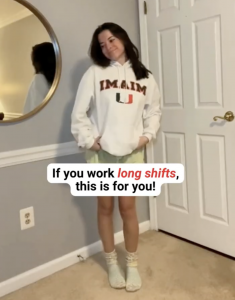
COMRAD, a compression sock brand, came to us looking to diversify their creative and reach more women across different lifestyle segments: active wear, everyday use, healthcare workers, and travel. We built creator briefs around each use case and sourced creators who fit those worlds. The result was a blend of branded and creator content that supported $1.6M in digital ad spend at a 1.85X ROAS.
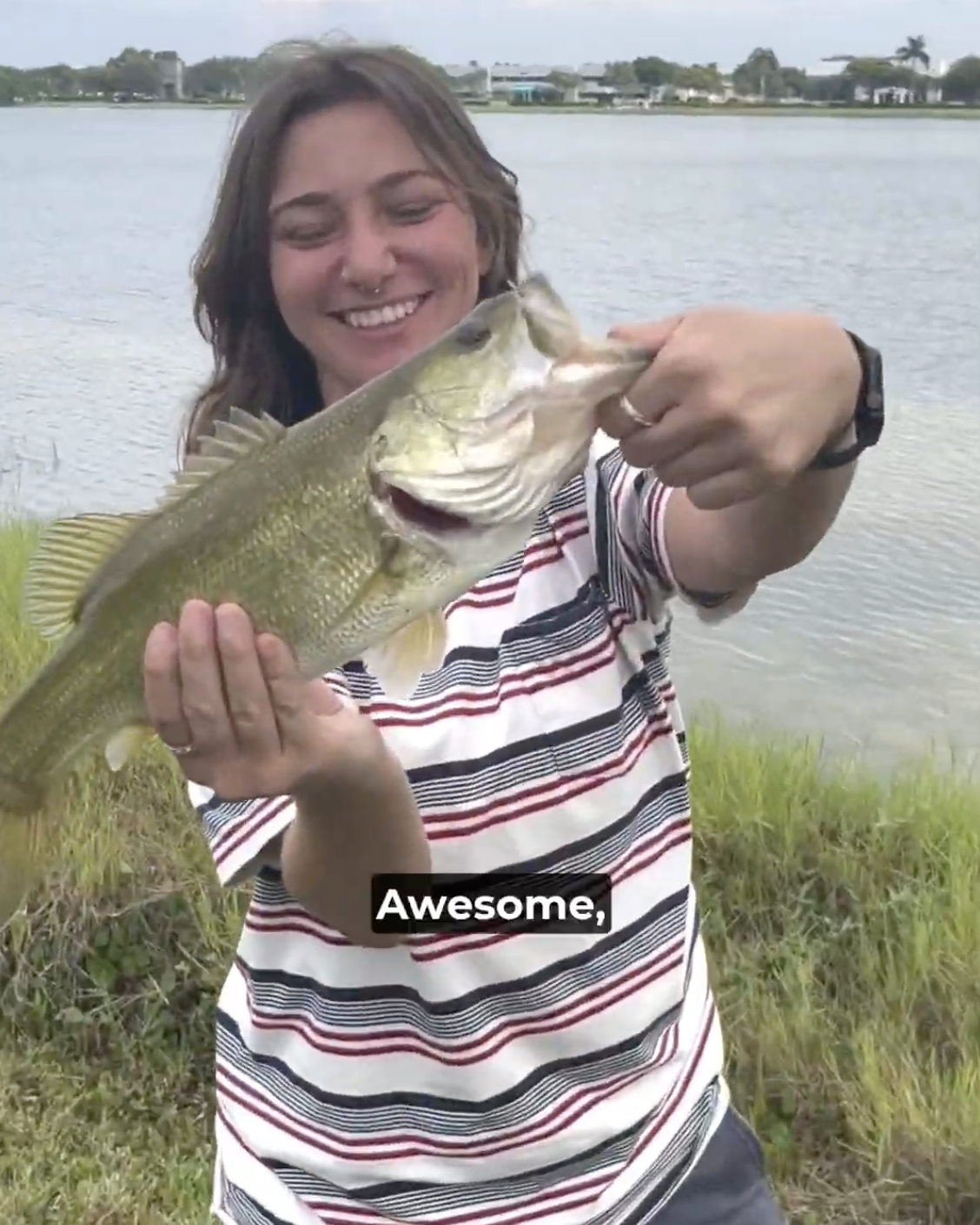
Banjo Minnow, a fishing lure brand competing in a crowded market, needed content that could show the product working in the wild and speak to their specific audience. We built creator briefs targeting fishing enthusiasts who could demonstrate catching fish and explain how they rig their lines. Combined with product and offer testing, the campaign ran on $200K in digital ad spend and delivered a 2.3X ROAS.
What About Organic UGC?
Organic UGC is worth collecting and resharing. It builds community, costs nothing, and adds another layer of social proof to your brand presence. Review platforms like Google Business, Yelp, and Amazon are good places to start, as are social mentions and tagged posts. Just make sure to get permission before repurposing anything as a paid ad, and credit the original creator when you reshare.
Think of organic UGC as a complement to your creator content strategy, not a substitute for it. It’s harder to source consistently, harder to control creatively, and not built to perform in a paid environment. Creator content gives you the volume, consistency, and performance-ready assets you need to scale. If you want to go deeper on how organic UGC works in paid social, we wrote about it here.
Don’t Wing It. Build a Process.
The brands that get the most out of creator content build systems around it. Consistent creator relationships, rotating creative, clear content briefs, and performance data that tells them which angles are resonating with which audiences.
That takes time to build and expertise to run well. But the payoff, both in content quality and in ad performance, is real.
If you’re ready to build a creator content strategy that actually drives results, we’d love to help. Whether you’re starting from scratch or looking to scale what’s already working, we can handle the entire process.